

Solar Panels for Your Home: Is It Worth It and How Many Do You Need?
Updated: Sep 10
Switching to solar power is one of the smartest moves you can make for your home. It saves money, helps the environment, and gives you more control over your energy use. But how do you know how many solar panels you need? And what size battery will work best for your home? Let’s explore these questions together.
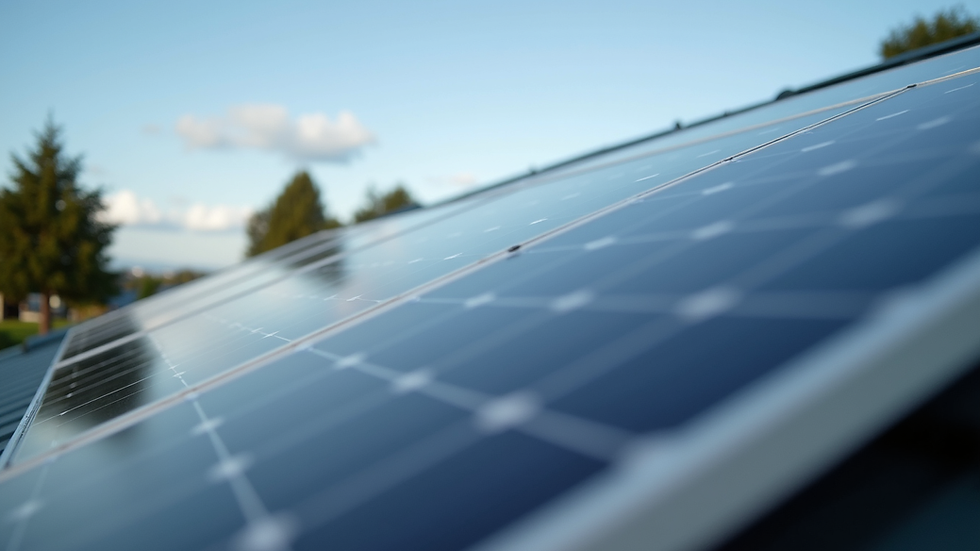
Solar panels installed on a typical Auckland home roof, soaking up the sun.
Why Adding Solar to Your Home Makes Sense
Solar power has become more affordable and accessible than ever. Here are some reasons why adding solar panels to your house is a great idea:
Lower electricity bills: Solar panels generate electricity from sunlight, reducing the amount you need to buy from the grid. Over time, this can save you hundreds or even thousands of dollars.
Energy independence: With solar, you rely less on the grid. This means you’re less affected by power outages or rising electricity prices.
Environmental benefits: Solar energy is clean and renewable. Using it reduces your carbon footprint and helps protect the environment.
Increase home value: Homes with solar panels often sell faster and at higher prices because buyers see the long-term savings.
Help with the upfront cost: There is currently no nationwide government rebate for home solar panels. However, several banks offer low-interest or interest-free loans for solar and batteries if you already have a home loan with them. Always check what’s available right now.
Switching to solar is not just about saving money. It’s about making a positive impact on your community and future generations. It’s a step towards a smarter, more sustainable home.
How to Know How Many Solar Panels You Need
Choosing the right number of solar panels depends on your energy use, roof space, and budget. Here’s how to figure it out:
Step 1: Understand Your Energy Use
Look at your electricity bills for the past year. Most New Zealand homes use about 18–21 units (kWh) of electricity each day on average. Note how much you use during the day versus at night.
Step 2: Calculate Solar Panel Output
Modern panels are usually rated between 400 and 500 watts. In Auckland, a well-placed panel produces roughly 1.5–1.7 units of electricity per day on average across the year (more in summer, less in winter).
Step 3: Work out a rough number
Popular system sizes for New Zealand homes are:
About 12 panels (5 kW system) for smaller or efficient homes
About 15 panels (6.6 kW system) for a typical family home
18–23 panels (8–10 kW) for bigger homes or if you have an electric car
A simple estimate: take your yearly electricity use and divide by about 1,350–1,400. That gives you the system size in kilowatts. Then divide by the panel size (for example 0.44 for a 440-watt panel) to get the number of panels.
Household | Daily Use | System Size | Panels |
2–3 bedroom | 10–14 kWh | 3–4 kW | 7–9 |
3-bedroom | 14–18 kWh | 4–5 kW | 9–12 |
4-bedroom | 18–24 kWh | 6–6.6 kW | 13–16 |
EV / high load | 24kWh+ | 7–10 kW | 16–22 |
Step 4: Consider Roof Space and Orientation
Your roof needs enough clear space and the right conditions to support the number of panels you need. In New Zealand, north-facing roofs get the most sun and are ideal for solar.
Key things we check:
Roof direction—North is best. East- or west-facing roofs still work well (around 75–85% of north-facing output).
Shading—Trees, neighboring buildings, chimneys, or other obstructions can significantly reduce performance.
Roof size—A standard system usually needs about 30 m² of usable space. Each panel is approximately 2 m².
Roof angle—Most New Zealand roofs between 15–35° work well.
Roof condition and type:
Decramastic roofs need a careful inspection.
Concrete tile roofs are generally workable, but tiles can crack and may need extra care.
Clay or slate roofs require skilled penetration work.
Corrugated steel and long-run metal roofs are the easiest and most common to install on.
Building consent—required if the system is over 40 m².
Step 5: Factor in Future Energy Needs
If you plan to add electric vehicles or other appliances, consider adding extra panels to cover the increased demand.
One EV can add 2,000–4,000+ kWh/year depending on driving, so sizing for that is smart.
Choosing the Right Battery Size for Your Home
A battery stores the extra solar power your panels make during the day so you can use it at night or during a power cut. You don’t need one, but many people find it useful.
Solar batteries make financial and practical sense in NZ only if you have high evening usage, regular outages, or you value energy independence. The payback on the battery alone is usually 15+ years. A solar system without a battery still delivers the fastest return, generally 6–8 years.
Step 1: Know Your Nighttime Energy Use
Look at your electricity bills to find out how much energy you use after the sun goes down. This helps determine how much stored power you need.
Step 2: Decide How Much Backup You Want
Do you want your battery to cover all your nighttime use or just essential appliances? This choice affects the battery size.
Step 3: Match Battery Capacity to Your Needs
Batteries are measured in units of storage (kWh). Common sizes are:
5–7 kWh for smaller homes or just evening use
Around 10 kWh for a typical family
13.5 kWh or more for bigger homes or stronger backup
Step 4: Consider Battery Type and Lifespan
Most home batteries today use lithium iron phosphate (often called LFP). These last a long time, are safe, and usually come with a 10–15 year warranty.
Step 5: Think About Budget and Space
Batteries can be expensive and take up space. Balance your energy needs with what fits your budget and home layout.

Here’s a list of items that are often left out of quotes before a site visit is done and can become unexpected extras:
Switchboard upgrade (especially common on older homes)
Scaffolding if it’s required for safe access
Tree trimming to remove shading
Roof reinforcement if the structure needs extra support
Earthing and bonding to meet current electrical standards
Network connection fee (Vector/network company charges)
Quality of the products supplied (Tier-1 panels and inverters vs. lower-tier options)
Engineering approval / structural sign-off if the system is over 40 m²
How Smart Electricians Can Help You
Installing solar panels and batteries requires expert knowledge to ensure everything works safely and efficiently. That’s where professional electricians come in.
Smart Electricians in Auckland specialise in solar installations and battery setups. They can:
Assess your home’s energy needs
Recommend the right number of panels and battery size
Handle permits and compliance with local regulations
Install and maintain your solar system
Provide advice on smart home energy solutions
Working with trusted electricians means your solar system will perform well and last for years. It also gives you peace of mind knowing your investment is in good hands.

Electrician installing solar panels on a residential roof, ensuring proper setup.
Ready to start your solar journey? Reach out to Smart Electricians for expert advice and quality installation services. Your home deserves the best in sustainable energy.
